
Our Story
Our Story
IkkatHub is run by a family of Pochampally weavers. We built it so that weavers like us can sell our handwoven ikat directly to you, at a fair price, with our names on every piece.
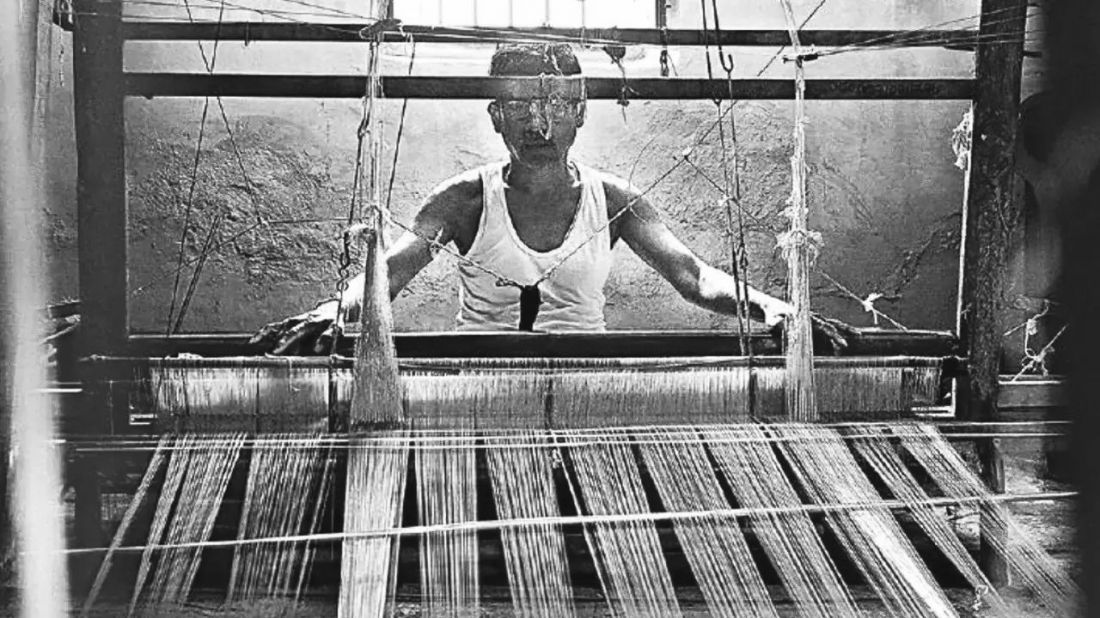
Our journey
We grew up in a weaving family. In our community every family wove sarees together, yet despite all the skill and hard work, we rarely got a fair price for what we made. Many weaving families struggled to meet basic needs, and weaving was the only work we knew.
Over the years, many weavers left the loom for other jobs. If weavers cannot earn a fair living, the ikat art of Pochampally is at risk of disappearing.
That is when an idea struck us: what if we sold our sarees directly to customers? We started by posting saree photos on Facebook with our friends, and later shared them on WhatsApp with people who wanted to buy. But most buyers were strangers to us, and many weavers in our village could not reach them on their own.
After finishing our bachelor's degrees and working in the software industry, we decided to build a website that connects weavers and customers. We joined a startup to learn how such platforms are built, put a team together, and worked through many challenges along the way.
In 2017, IkkatHub went live: a place where our village weavers can show their craft, talk to customers directly and earn a fair price. Our aim is simple: to improve weavers' lives and keep the ikat art alive for generations to come.
Pochampally, the handloom village
- Bhoodan Pochampally: Acharya Vinoba Bhave began the Bhoodan (land donation) movement here.
- A cluster of about 80 weaving villages in Yadadri Bhuvanagiri district, Telangana, around 50 km from Hyderabad. It is often called the "Silk City of India".
- The ikat tie-and-dye technique is believed to have come to Pochampally from Chirala, as early as 1915. Silk weaving began here around 1970.
- Pochampally Ikat is protected with Geographical Indication (GI) status.
- Sarees are woven in cotton, silk and sico (a silk-cotton blend).
Read the full history of Pochampally →
How ikat is made
- Tie: the yarn is tied by hand in the exact pattern of the final design.
- Dye: the tied parts resist the colour, so the design is dyed into the thread itself.
- Weave: on the handloom, the pattern appears line by line. A single saree can take many days.
Shop from the weavers
Every saree on IkkatHub carries the name of the weaver who made it, and the money goes to the weaving family.
Meet our weavers → · Shop sarees →
Thank you for supporting handloom.
— The IkkatHub team


